


LEPROSY
BY JOINING FORCES,
WE CAN
PUT AN END
TO THE DISEASE
ABOUT LEPROSY
Leprosy, also known as Hansen’s disease, is a chronic infectious disease caused by the bacterium Mycobacterium leprae. It primarily affects the skin, nerves, mucous membranes and bones. Symptoms of leprosy can include skin lesions, loss of feeling in the limbs and joint pain. Leprosy is mainly transmitted by direct contact with the skin lesions of an infected person. It can also be transmitted through contact with the nasal secretions of an infected person.

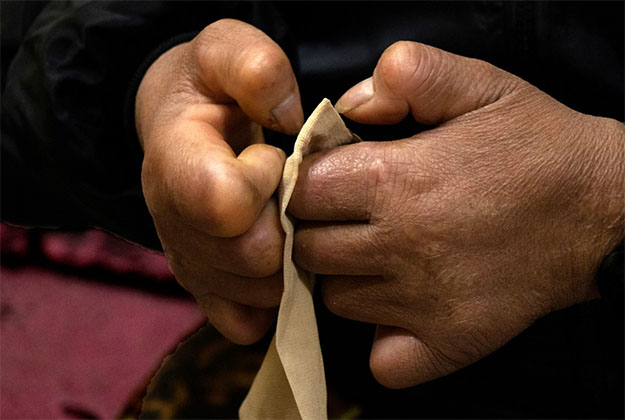
There are several treatments available for leprosy, such as multidrug-resistant antibiotics, which are generally used to treat severe cases of the disease. Patients may also receive medications to relieve pain and associated symptoms.
Leprosy is a curable disease, but it can cause permanent damage to nerves and limbs if not treated promptly. People affected by leprosy can also develop mental health problems due to the stigma and discrimination associated with the disease.
Fortunately, thanks to the leprosy awareness and control efforts of international health organizations, the disease has become rare in developed countries. However, it remains endemic in some parts of the world, and it is important to continue to raise awareness about the disease and the need for early detection and treatment.
5 KEY POINTS
1. Leprosy is an infectious disease that affects approximately 3 million people worldwide.
2. Leprosy is mainly transmitted by direct contact with the skin or mucous membranes of an infected person.
3. Symptoms of leprosy include skin lesions, reduced sensitivity to pain and nerve damage.
4. Leprosy is curable, but if not treated in time, it can lead to permanent damage to nerves, limbs and internal organs.
5. In 2020, WHO announced that it aimed to eliminate leprosy as a public health problem by 2030.
5 KEY POINTS
1. Leprosy is an infectious disease that affects approximately 3 million people worldwide.
2. Leprosy is mainly transmitted by direct contact with the skin or mucous membranes of an infected person.
3. Symptoms of leprosy include skin lesions, reduced sensitivity to pain and nerve damage.
4. Leprosy is curable, but if not treated in time, it can lead to permanent damage to nerves, limbs and internal organs.
5. In 2020, WHO announced that it aimed to eliminate leprosy as a public health problem by 2030.
I ACT TODAY
Every child deserves a quality education, regardless of their family situation. Unfortunately, families affected by leprosy often face financial difficulties and are unable to finance their children’s education. This is why the CIOMAL Foundation strives to support the educational needs of children whose families are affected by the disease. With your help, we can give the new generation hope for a better future through education.
LEPROSY MAP
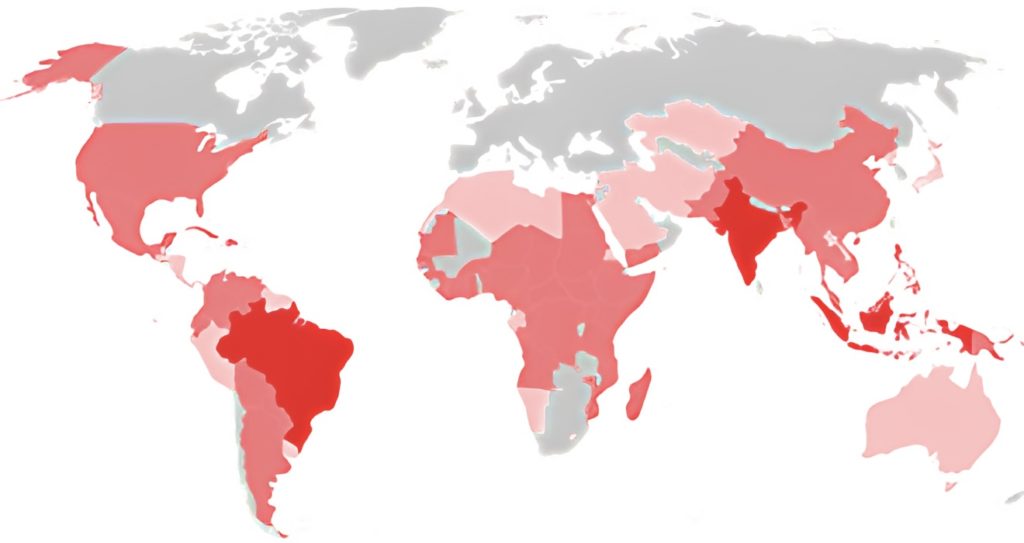
Leprosy: a scourge of the past, still present today
In 2024, 172,717 new cases of leprosy were reported worldwide, including approximately 5% in children, indicating ongoing transmission. The majority of new cases are concentrated in a few countries, notably India, Brazil, and Indonesia, which together account for nearly 80% of global cases. In Cambodia, less than 1% of cases are reported, with around 40 new cases per year, illustrating significant progress toward elimination of the disease.